 Languages

 Contact us
 My Account
 My Cart


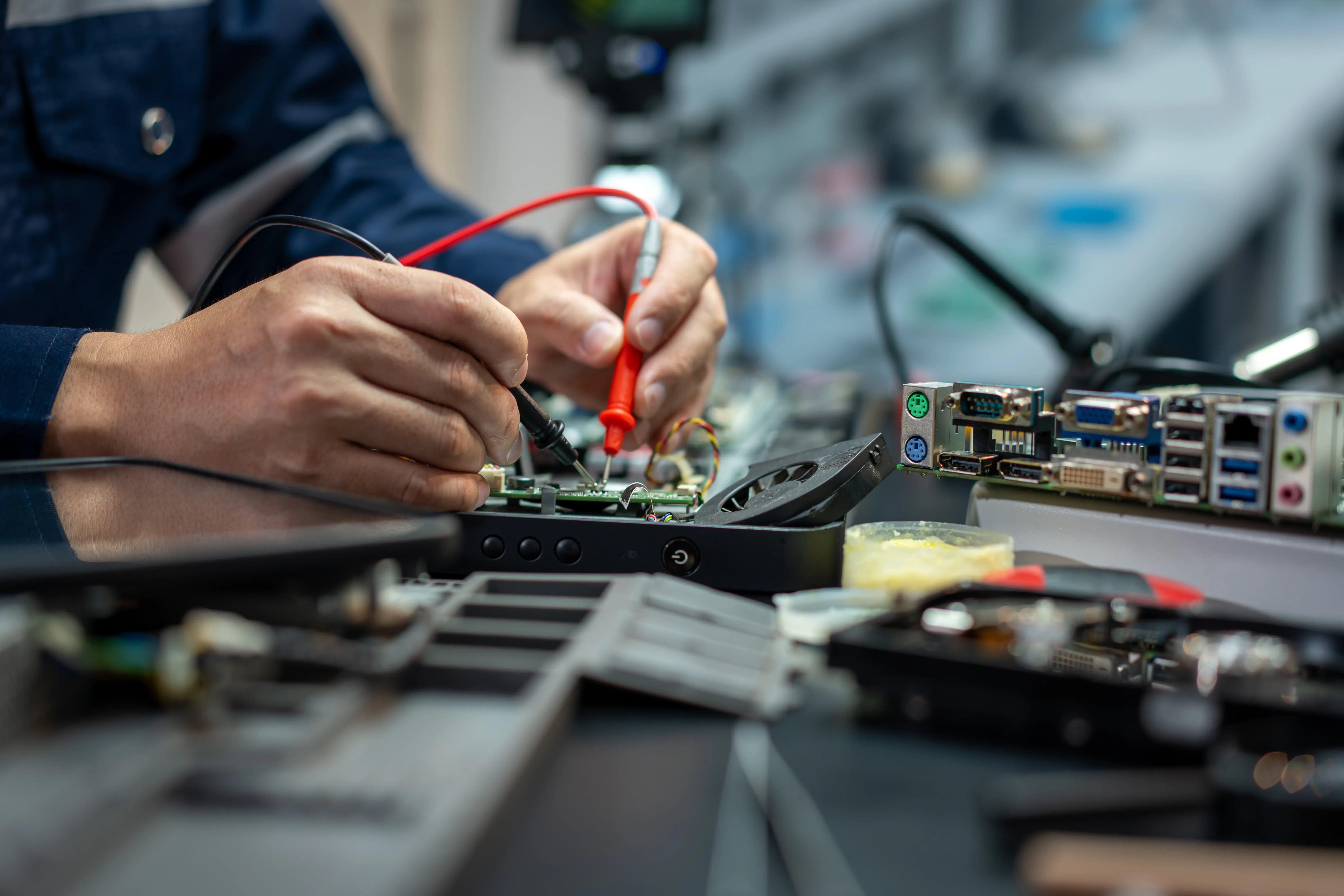
In industry, equipment can remain fully operational even when some of its components are no longer manufactured. Discontinued production, changes to product ranges or replaced part numbers can make maintenance operations and spare parts sourcing more difficult.
However, a component being discontinued by its manufacturer does not necessarily mean that the entire installation needs to be replaced. Several solutions can help locate components and extend the service life of existing equipment.
Industrial Component Obsolescence: A Challenge for Maintenance
Industrial facilities sometimes rely on equipment designed and installed several years ago. PLCs, electronic boards, variable frequency drives, human-machine interfaces and control system modules can remain essential to their operation, even after production has stopped.
This situation can have several consequences for industrial companies:
-
Sourcing difficulties: original part numbers may no longer be available through conventional distribution channels.
-
Longer maintenance lead times: maintenance teams may need to spend more time sourcing the required components.
-
Additional costs: replacing an entire piece of equipment can represent a significant investment.
-
Risk of downtime: the unavailability of a single component can affect the operation of an entire installation.
A component becoming obsolete does not necessarily mean that the equipment it belongs to has reached the end of its service life. The key is to identify the right solutions.
What Solutions Are Available for Obsolete Industrial Components?
When a part is no longer commercially available, several options can be considered before deciding to replace the entire piece of equipment.
Sourcing the Original Part on the Second-Hand Market
Even when a manufacturer discontinues a component, some units may still be available on the second-hand market. They can come from decommissioned industrial installations, existing stocks or specialist suppliers.
This option makes it possible to source an original part and retain the existing configuration, provided that its condition and compatibility with the installation are checked.
Identifying a Compatible Replacement Component
In some cases, an equivalent part or replacement solution may be considered. However, this requires a detailed assessment of the technical specifications, including the part number, manufacturer, dimensions, connections, performance and operating conditions.
Compatibility should never be assumed. Any replacement component must meet the installation's requirements and be approved by qualified personnel.
Considering Equipment Replacement or System Modernisation
When the original part cannot be sourced and no compatible alternative is available, replacing the equipment may become necessary. A broader system modernisation may also be considered, particularly when several components are approaching the end of their availability.
This decision should take technical constraints, costs and operational implications into account.
Anticipating Obsolescence to Reduce Production Downtime
Industrial component obsolescence is a constraint that needs to be considered when managing maintenance operations. Identifying critical part numbers, monitoring their availability and exploring potential sourcing solutions can help teams prepare for future maintenance work.
The second-hand market provides an additional option for keeping existing equipment in service without automatically replacing it. This can be particularly valuable when components are no longer manufactured but remain essential to the operation of industrial installations.

A component is considered obsolete when its manufacturer has discontinued its production or commercial availability. To check its status, consult the manufacturer's information, search its product catalogues or contact an industrial equipment specialist.
Yes. Some part numbers remain available on the second-hand market, particularly through specialist industrial equipment reuse companies. Availability depends on the specific components and existing stock.
Several options are available: sourcing the original part on the second-hand market, identifying a compatible replacement or considering system modernisation. The right solution depends on the equipment's technical specifications and operating requirements.