 Languages

 Contact us
 My Account
 My Cart


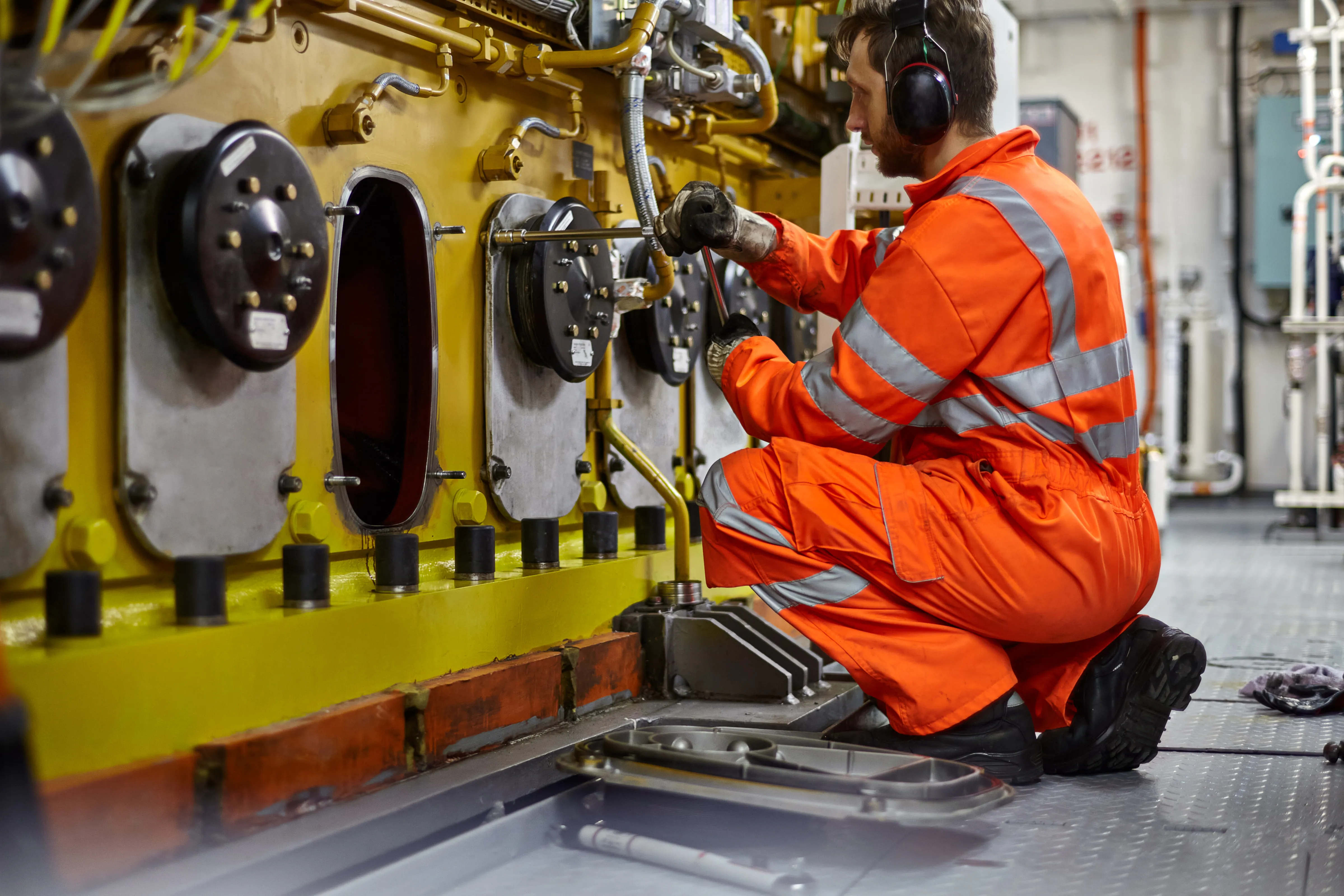
Industrial dismantling takes place at various stages in the lifecycle of a production facility: plant shutdown, production line renewal, workshop reorganisation or equipment replacement. This process involves more than simply taking installations apart. It requires careful planning to ensure that operations are properly managed, work areas remain safe and equipment with residual value is preserved.
A structured dismantling approach helps minimise component losses and identify opportunities for reuse. From initial site preparation to the sorting of dismantled equipment, every stage plays a role in recovering the value of industrial assets.
Why Does Industrial Dismantling Require Careful Planning?
The dismantling of an industrial installation may involve a single machine, an entire production line or a range of equipment spread across different areas of the same facility. The scale and complexity of the operation depend in particular on the layout of the installations, their age and the specific constraints of the industrial environment.
Insufficient preparation can lead to difficulties during dismantling operations, including component damage, incorrect equipment identification or unforeseen logistical constraints. It can also compromise the potential for certain items to be reused.
It is therefore essential to anticipate the various operations, clearly define their scope and identify equipment with recovery potential. This approach helps ensure that operations are properly managed while minimising the loss of materials and components.
What Are the Key Stages of an Industrial Dismantling Project?
1. Assessing the Installations and Defining the Scope of Work
The first step involves assessing the installations to be dismantled. This means identifying the equipment concerned, its configuration, technical specifications and any constraints associated with its operating environment.
This assessment makes it possible to define the scope of work, determine the resources required and establish the conditions under which the operations will be carried out. It also helps identify components that may be recovered and reused.
2. Organising and Securing Dismantling Operations
Once the scope of work has been defined, dismantling operations must be planned according to a methodology suited to the installations. The sequence in which equipment is removed, site access, space constraints and any potential interaction with other activities taking place on site must all be taken into account.
Dismantling must be carried out in a structured manner to minimise the risk of equipment damage and ensure that work areas remain safe. Proper organisation also facilitates the handling and transfer of dismantled components.
3. Identifying, Packaging and Recording Recoverable Equipment
Dismantling is a critical stage in preserving the reuse potential of equipment. As components are removed, they must be identified and assessed according to their condition and technical characteristics.
Items with recovery potential can then be packaged and recorded in an inventory. This traceability makes subsequent identification easier and helps distinguish reusable equipment from items intended for other recovery or treatment streams.
How Can Equipment Reuse Be Promoted After Industrial Dismantling?
The reuse of industrial equipment largely depends on the conditions under which it is dismantled and handled. Equipment removed without appropriate precautions may sustain damage that reduces its potential for reuse.
Conversely, prior identification, controlled dismantling and suitable packaging help preserve components and their characteristics. This approach makes it possible to identify equipment that can enter a new usage cycle rather than automatically being classified as waste.
Recovery opportunities may involve complete machines, as well as subassemblies and technical components. This helps extend the service life of industrial resources, reduce material waste and minimise the environmental impact of dismantling operations.
Industrial dismantling is therefore more than simply removing equipment. When organised with recovery and reuse in mind, it becomes an essential part of applying circular economy principles to industry.
Industrial Dismantling Focused on Equipment Recovery
The success of an industrial dismantling project depends on careful planning, controlled operations and the identification of recoverable equipment. By considering reuse potential from the initial planning stage, it is possible to preserve more resources and minimise losses associated with the removal of installations.
To find out more about REI Industry's industrial dismantling services and equipment recovery solutions:

Dismantling involves systematically taking installations and equipment apart in order to preserve, wherever possible, items that can be reused or recovered. Demolition, on the other hand, primarily involves the destruction of a structure or building. Dismantling therefore follows a more selective approach, particularly suited to industrial equipment with reuse potential.
The duration depends on several factors, including the volume of equipment involved, the complexity of the installations, access constraints and the conditions under which the work is carried out on site. Partially dismantling a few machines requires different resources and scheduling from dismantling an entire production line or workshop. A preliminary assessment makes it possible to establish an appropriate schedule.
The fate of dismantled equipment depends on its condition, technical characteristics and recovery potential. Some items can be reused in their original configuration or after refurbishment. Others can be dismantled to recover functional subassemblies and components. Items that cannot be reused are directed towards appropriate recovery or treatment streams.