 Languages

 Contact us
 My Account
 My Cart


Equipment that is scrapped too early, dismantled carelessly or sold without documentation can lose a significant proportion of its value. Most mistakes made when selling industrial equipment stem from the same mindset: treating the process as the end of the equipment’s life rather than as a transaction that needs to be properly prepared.
Waiting Too Long to Consider Selling
Equipment that is no longer in operation continues to depreciate, even when it remains stationary. The longer it sits in storage without being identified as available for sale, the more its condition deteriorates and the smaller the window for reuse becomes. Components become obsolete as newer generations emerge, spare parts become harder to source, and the second-hand market evolves.
The decision to sell should be considered as soon as equipment is identified as surplus, rather than waiting until it takes up valuable workshop space or holds up a refurbishment project.
Overlooking Technical Documentation
Equipment without an operating manual, maintenance history or clear identification details is much harder to assess and, therefore, to value correctly. A professional buyer needs to know exactly what they are purchasing: the manufacturer, exact model or reference number, condition, and any inspections or checks already carried out, including checks for potentially hazardous substances such as asbestos or lead in older equipment.
Without this information, valuations tend to be based on assumptions and are often lower as a result, while the sale process takes longer.
Dismantling or Moving Equipment Without Proper Planning
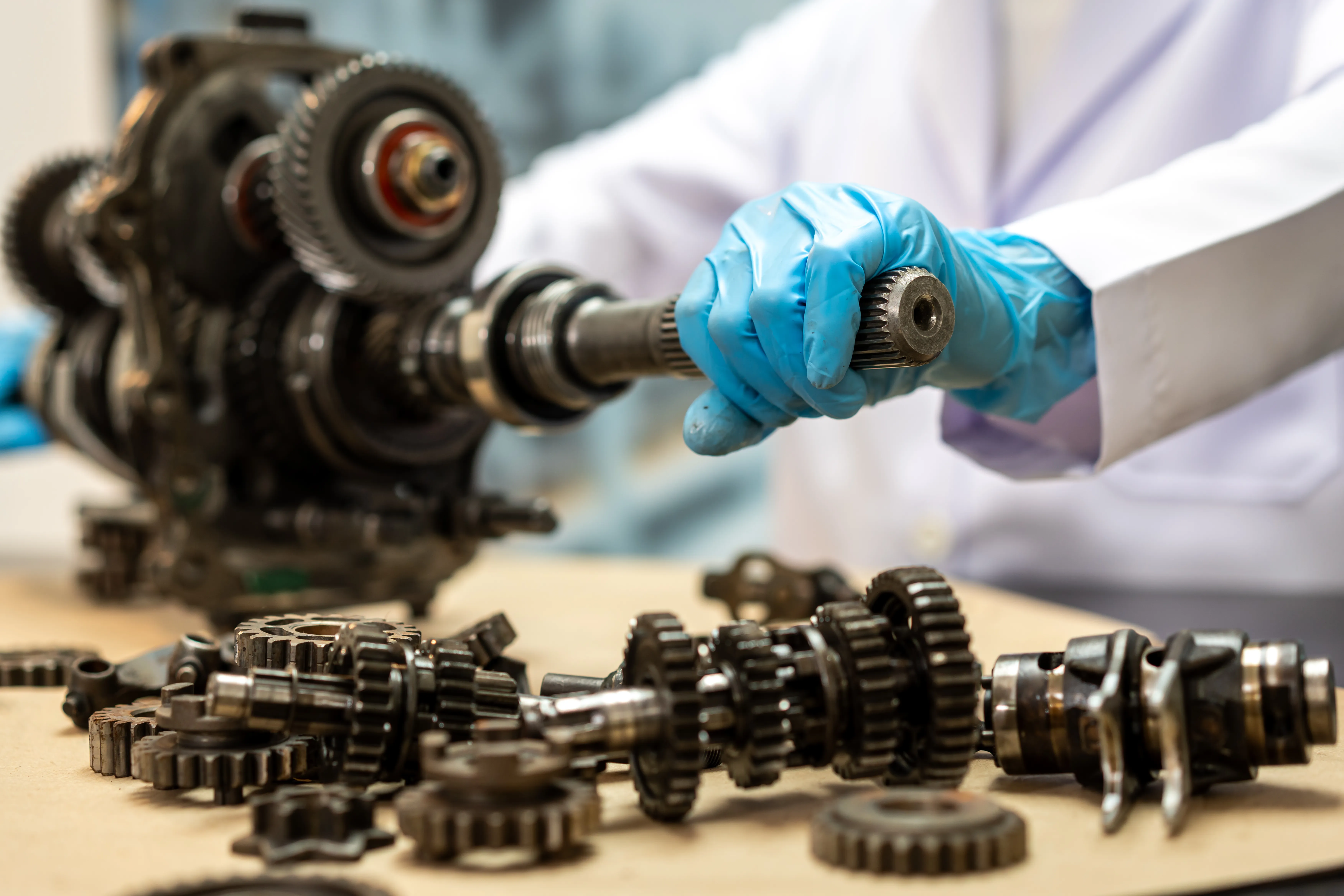
This is one of the most common and costly mistakes. Rushed, unplanned dismantling can damage connectors, result in missing parts or harm electronic circuit boards. Equipment dismantled carelessly can quickly lose its value as reusable equipment and end up being sold as a lot of spare parts, at a significantly lower price.
A few simple precautions can help prevent this:
- Identify and label model and reference numbers before dismantling.
- Use appropriate packaging, such as pallets and suitable crates.
- Avoid unnecessary handling before collection.
Underestimating or Overestimating Equipment Value
Without reliable comparisons from the industrial second-hand market, rough estimates almost always lead to one of two mistakes: selling equipment below its actual market value when demand remains strong, or setting unrealistic price expectations that prevent a deal from going ahead.
The value of a PLC, variable frequency drive or HMI depends on specific factors, including the manufacturer, product range, condition and current demand for that exact model. Accurate valuations require market knowledge, not guesswork.
Overlooking Regulatory and Environmental Requirements
Selling equipment without taking its actual condition into account can lead to complications during dismantling or transportation. This is particularly relevant for older equipment that may contain regulated substances. These aspects should be checked in advance rather than discovered partway through the process.
Preparing for the Sale to Preserve Equipment Value
Avoiding these mistakes does not require specialist skills, just a little forward planning:
- Identify surplus equipment early.
- Gather all available documentation.
- Avoid unnecessary handling and base valuations on reliable market data.
This is what makes the difference between equipment whose value is recovered and equipment that is scrapped simply because no other option was considered.
Discover our industrial equipment buyback service

As soon as it is identified as surplus, whether following a retrofit, an upgrade or a production line shutdown. Don't wait until it takes up valuable space or depreciates further.
Not necessarily. Equipment dismantled without proper care often loses value. It is generally best to consult a specialist before carrying out any dismantling or handling.
By using actual market data, including the manufacturer, model or reference number, condition and current demand, rather than relying on rough estimates. At REI Industry, we provide preliminary valuations based on a simple list of equipment references.